
Preparation for Painting – Walls and Surfaces
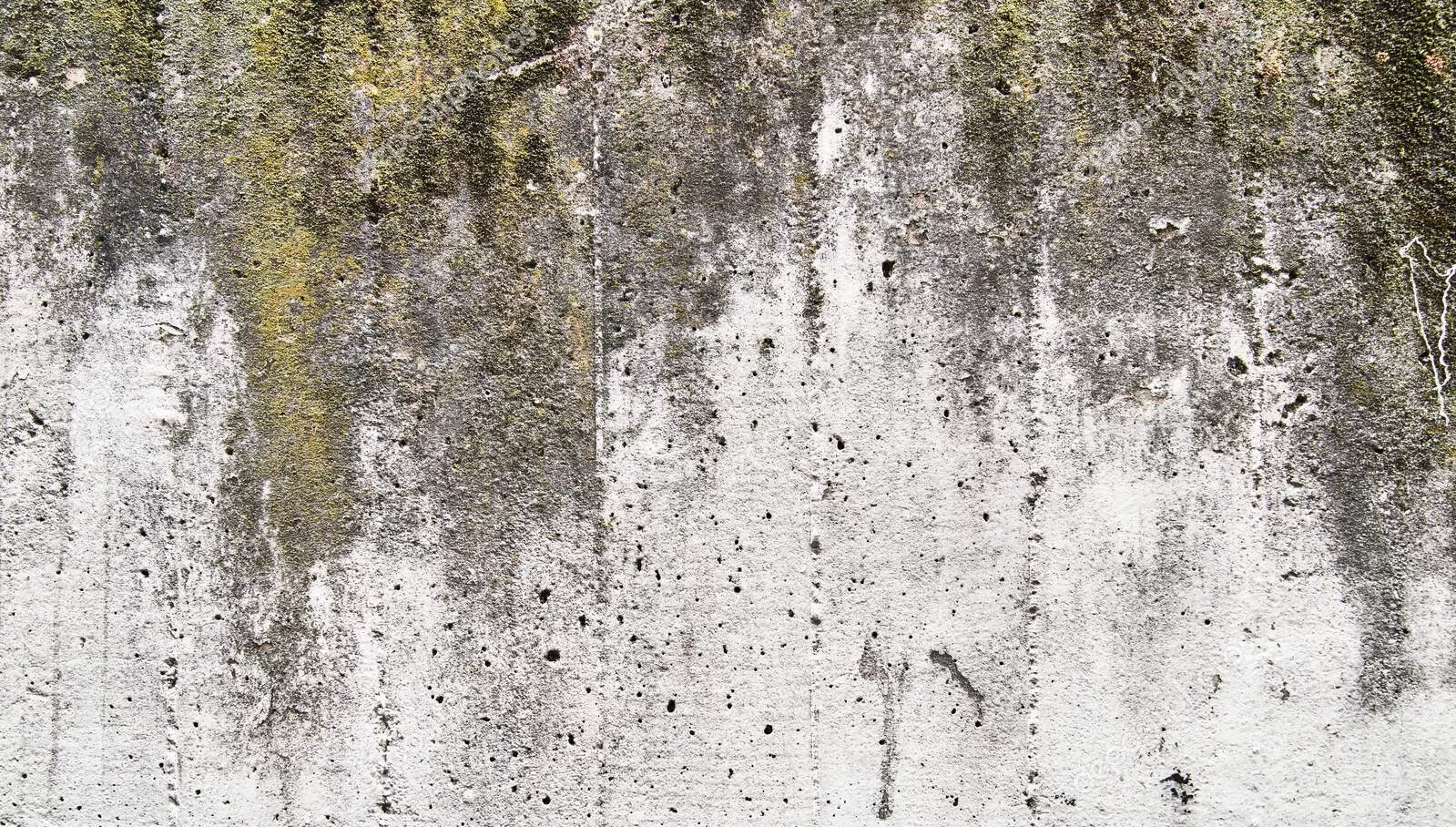
The amount of hypochlorous acid (HOCL, NSC and Surfactant) needed to treat a wall affected by fungus would depend on several factors, including the extent of the fungal growth, the type of surface being treated, the concentration of the HOCL, NSC and Surfactant solution, and the desired level of disinfection. Here’s a general approach to determining the amount of HOCL, NSC and Surfactant needed:
Each Flo-bin – 5,000-10,000 m2
1. Assess the Area:
Begin by assessing the size and extent of the fungal growth on the wall. Determine the square footage or square meters of the affected area.
2. Select the Concentration of HOCL, NSC and Surfactant:
The concentration of HOCL, NSC and Surfactant solution used for disinfection can vary depending on the application. Typically, for surface disinfection, concentrations of HOCL, NSC and Surfactant solutions range from 50 to 200 parts per million (ppm). Choose an appropriate concentration based on the severity of the fungal contamination and the type of surface being treated. Recommend 100 –200 ppm for industrial applications with very textured and heavily affected walls.
3. Calculate the Volume of HOCL, NSC and Surfactant Solution Needed:
Once you have determined the concentration of the HOCL, NSC and Surfactant solution, you can calculate the volume of solution needed to treat the affected area. This calculation involves converting the concentration of HOCL, NSC and Surfactant from ppm to a percentage and then determining the volume of solution required to achieve the desired concentration.
For example, if you have a 1 square meter wall and you want to use a 100 ppm HOCL, NSC and Surfactant solution:
Convert 100 ppm to a percentage: 100/10,000=0.01% HOCL, NSC and Surfactant
Calculate the volume of solution needed: This depends on the thickness of the solution applied to the wall. For example, if you apply the solution at a thickness of 1 millimeter, you will need 1 liter of HOCL, NSC and Surfactant solution to cover 1 square meter.
4. Application Method:
Determine the method of application for the HOCL, NSC and Surfactant solution. This could involve spraying, wiping, or fogging the solution onto the affected wall surface. Ensure thorough coverage of the entire area to ensure effective disinfection. Recommend spraying for heavier fungal growth.
Safety Considerations:
When irradicating fungus, it’s essential to follow safety guidelines and wear appropriate personal protective equipment (PPE), including gloves and eye protection. Ensure adequate ventilation in the area being treated.
Repeat Treatments if Necessary: Depending on the severity of the fungal contamination and the effectiveness of the initial treatment, you may need to repeat the HOCL, NSC and Surfactant treatment to achieve complete disinfection.
HOCL, NSC and Surfactant Benefits?
“Hypochlorous acid (HOCL, NSC and Surfactant) is 70 to 80x’s more effective than Bleach/Hypochlorite ion (OCl-) for inactivating bacteria, virus, and fungi. (Culp/Wesner/Culp, 1986).”
HOCL, NSC and Surfactant is non-toxic, odorless (mild smell of chlorine if any), and does not require PPE to handle.HOCL, NSC and Surfactant is safe for the environment.
Cost savings:
• Better paint application
• Improved longevity of paint
• Safer environment
• Quicker and easier application available
• Surface remains sterile for longer