HOCL, NSC and Surfactant and Sewage Dams:
Use HOCL, NSC and Surfactant to manage biofilm formation and control algae. Spray surface algae and biofilm using higher concentrations when possible. This will result in higher available oxygen and allow nematodes to live longer when used. Remainder of treatment will be most effective near the source.
Disinfection and Reduction of Organic Load
HOCL, NSC and Surfactant is a potent disinfectant that can effectively kill bacteria, viruses, and other microorganisms present in sewage water. By reducing microbial populations and organic matter, HOCL, NSC and Surfactant treatment can help prevent the decomposition of organic material, which consumes oxygen through the process of microbial respiration. Consequently, less oxygen is consumed in the degradation process, potentially leading to higher dissolved oxygen levels in the water.
Algae Control:
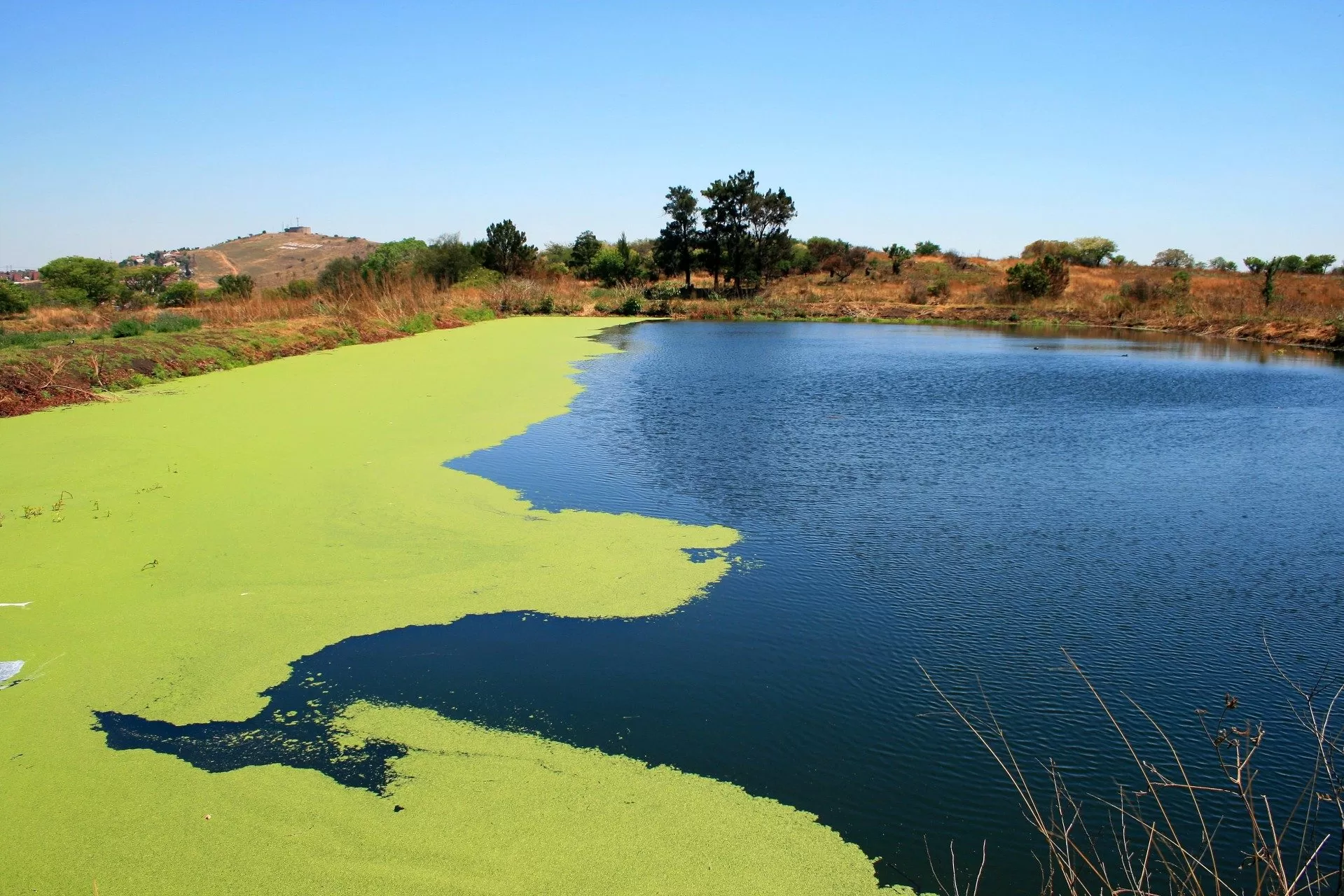
In some cases, sewage water may contain algae, which can proliferate and consume oxygen through photosynthesis. HOCL, NSC and Surfactant treatment can help control algae growth, thereby reducing oxygen demand in the water and preventing oxygen depletion.
Reduction of Odor and Organic Load:
HOCL, NSC and Surfactant treatment can also help reduce the formation of odorous compounds in sewage water by oxidizing organic substances that contribute to foul odors. By mitigating odor-causing compounds, HOCL, NSC and Surfactant treatment may indirectly support the overall health of aquatic ecosystems, including the maintenance of dissolved oxygen levels.
Prevention of Biofilm Formation:
Biofilms, which are comprised of microbial communities attached to surfaces, can develop in sewage systems and contribute to oxygen depletion through microbial metabolism. HOCL, NSC and Surfactant treatment can help prevent the formation of biofilms and reduce the buildup of organic material in sewage infrastructure, thereby minimizing oxygen consumption in the system.